For people researching bariatric surgery who want a clear, realistic roadmap rather than glossy promises — this is for you. You’re worried about pain, whether you’ll actually keep weight off, how your life will change, and what the first few weeks will look like (and you should be worried — these are big changes). Our clinic helps patients set practical expectations and build a step-by-step plan so they don’t get blindsided, and we’ll lay out what usually happens, what’s normal, and what needs urgent attention.
What should I expect immediately after bariatric surgery?
Short answer: nausea, thirst for sleep, pain control, and strict fluid rules. You'll wake up in the recovery room and then move to a hospital room within a few hours, most likely.
Day-by-day highlights (a simple timeline you can actually use):
- Day 0 - 1: You're monitored closely, may have IV fluids, and get walking assistance. Pain meds, anti-nausea meds. Most patients sip water or clear liquids.
- Day 2 - 3: Many people go home if stable (some stay 2-3 nights depending on procedure and comorbidities). You'll start a clear-liquid to full-liquid diet under guidance.
- Week 1: Rest, short walks every few hours, incision care, no heavy lifting. You should see your surgical team or nurse for a post-op check within 3 to 10 days.
Look, it's uncomfortable. But it's manageable with the right plan (and someone to answer your questions at odd hours).
How long is the recovery — when can I return to normal life?
Recovery varies by procedure and job type. Reality, step-by-step:
- Desk job: usually 7 to 14 days off work
- Physical labor: often 4 to 6 weeks off
- Driving: once you’re off narcotics and can react normally — often 1 week
- Exercise: walking immediately, low-impact cardio at 2 to 3 weeks, strength training at 6 to 8 weeks
Why the spread? Because some people heal quickly and some need a bit more time. If you push too hard, you risk hernia or delayed incision healing. So, slow wins. Learn more about home recovery plan.
How much weight will I lose — what are realistic outcomes?
People want numbers. Me too — numbers help plan clothing, medical decisions, life changes. From what I've seen in clinical practice:
- Roux-en-Y gastric bypass: about 60 percent excess weight loss at 12 to 18 months (that’s substantial metabolic improvement for many people)
- Sleeve gastrectomy: about 50 percent excess weight loss at 12 to 18 months
- Adjustable gastric band: much less commonly used now, and weight loss is variable — often under 40 percent excess weight loss
Those are averages. Your results depend on age, starting BMI, metabolic health, and how well you adopt bariatric lifestyle changes. Expect big changes in the first 6 months, then slower progress — plateaus are normal. Don’t expect to drop to a specific number by a set date; expect steady progress tied to habits.
What about diabetes, blood pressure, and other health improvements?
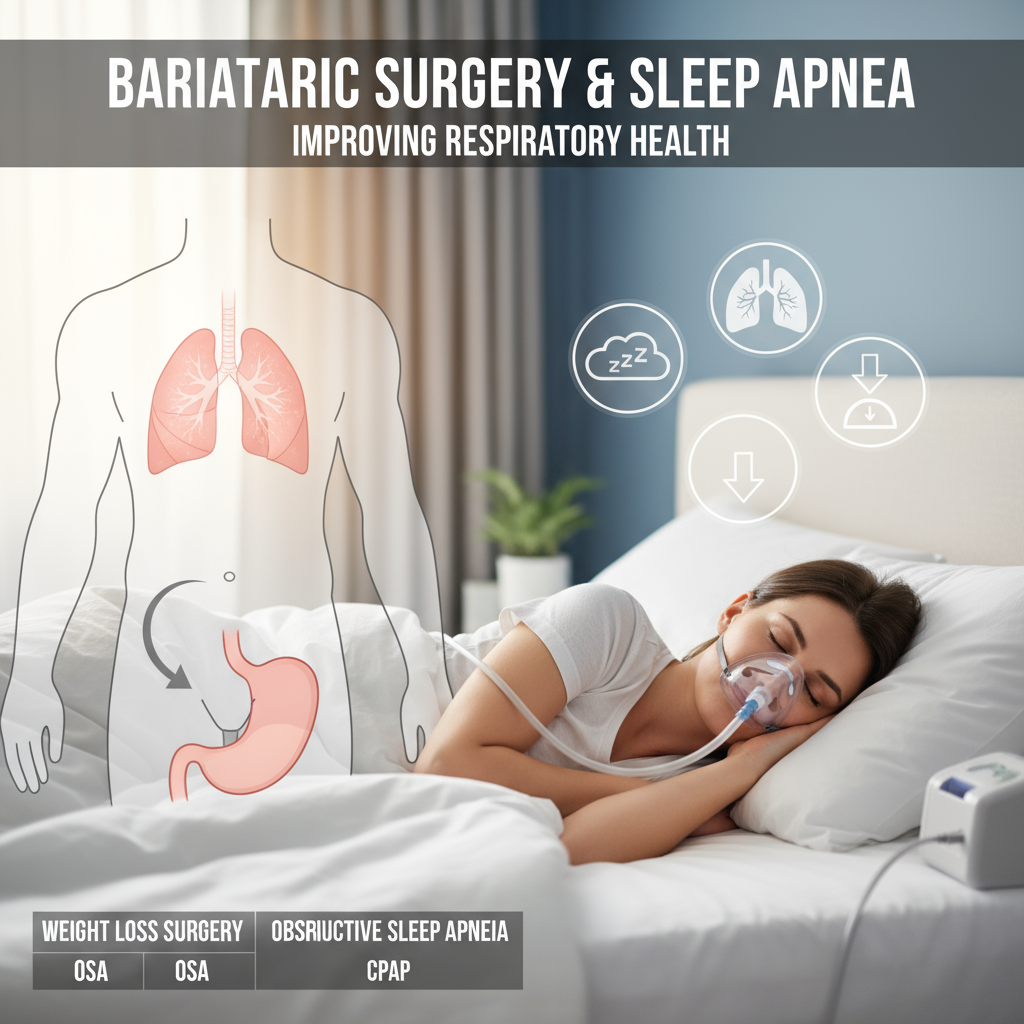
Bariatric surgery often improves type 2 diabetes quickly (sometimes within days for gastric bypass). You can expect lower blood sugar, reduced blood pressure, and better sleep apnea control in many cases. But you’ll still need diabetes and heart meds adjusted by your primary doctor — don’t stop medications on your own.
What lifestyle changes are required after bariatric surgery?
Short answer: permanent changes in how you eat, supplement, and move. This isn't a temporary diet - it's a new way of living.
- Diet progression: clear liquids to full liquids to pureed foods to soft foods, then solid foods — usually a 6 to 8 week progression
- Protein focus: aim for 60 to 80 grams of protein daily (this preserves muscle and speeds recovery)
- Hydration: sip fluids all day, avoid drinking with meals so you actually get calories and protein in
- Vitamins and minerals: daily multivitamin, vitamin B12, iron, calcium with vitamin D — labs routinely check levels
- Alcohol and sugar: avoid high-sugar drinks and limit alcohol (it absorbs differently after surgery)
- Behavioral work: counseling or support groups greatly increase long-term success — do this early
I'll say it plainly: if you expect to eat the same way after surgery, you're going to be disappointed. This is not a shortcut, it's a tool.
What will post-op life actually feel like — day-to-day?
Energy often improves as weight drops and sleep apnea improves. Clothes fit differently — sometimes dramatically. But there's emotional work. Many patients experience mood shifts, body-image questions, and relationship changes. Expect a rollercoaster. And celebrate small wins — taking stairs without stopping, or no longer needing a CPAP some nights.
Loose skin is common (very common). Some people pursue body-contouring surgery later. Insurance sometimes covers it when medically justified, sometimes not. Plan for that conversation if it matters to you.
Common complications — when should I call my surgeon?
Complications are uncommon but important. Call urgently if you notice:
- Fever above 101.5 F, increasing redness or drainage from an incision
- Severe, increasing abdominal pain, especially with vomiting (this could be a leak)
- Persistent vomiting, can't keep fluids down for 24 hours (risk of dehydration)
- Shortness of breath, leg swelling, sudden chest pain (possible blood clot)
If something feels seriously wrong, don't wait. Trust your instincts.
How do I measure progress without getting obsessed with the scale?
Real progress is more than numbers. Try these markers:
- Protein intake tracked daily (goal: 60 to 80 grams)
- Walking minutes per day — start with 10-minute blocks, aim for 150 minutes weekly over time
- Clothing fits and measurements: hips, waist, and a single favorite shirt photo every 2 weeks
- Lab values: iron, B12, vitamin D checked at 3 months, 6 months, then every 6 to 12 months
- Mood and sleep quality — keep a simple journal
Progress feels different at 3 months than at 12 months. Keep a process mindset. Small consistent steps beat dramatic short-term efforts.
How can I set realistic expectations before surgery?
Do this now, before you go under:
- Get a baseline: labs, sleep study if indicated, and a clear conversation about goals with your surgeon
- Set process goals: walk 20 minutes daily for 30 days, hit 60 grams protein/day, arrange support
- Plan for follow-up: schedule your 2-week, 3-month, 6-month visits now — some centers require it
- Understand costs: insurance may cover surgery but not necessarily body-contouring later
Why this matters: surgery gives you physiological leverage. But long-term success is behavior change. If you only focus on the OR, you’ll miss the work that follows.
Who should guide you through this journey?
Real talk. A coordinated team makes a huge difference — surgeon, dietitian, primary care, behavioral health, and a support network. From what I’ve seen, patients with structured follow-up and regular nutrition coaching keep more weight off long term.
If this feels overwhelming, our team can handle the logistics and the follow-up (we help patients plan meals, schedule labs, and set realistic milestones). No pressure — just practical help when you want it.
Want a checklist you can take to your pre-op visit? Ask for our printable "30-day pre-op to 12-month post-op" timeline and lab schedule — it's the one thing people say they wish they had sooner. Learn more about broader transformations.